Hot Topics at Wilson Browne
Latest News News
-
Celebrating Excellence with the 2027 Legal 500 Rankings
The 2027 edition of The Legal 500 resulted in several teams being recognised for their expertise.

-
Your First Home: A Government Update for First Time Buyers
Your First Home is a new equity loan scheme designed to help first-time buyers in England secure a new-build property with a much smaller deposit. As a law firm, we want our clients to understand how this may support their move.

-
Land Registry Improves Price Data – What Does This Mean for Buyers and Sellers?
HM Land Registry has announced improvements to the way property price information is recorded and shared. Residential Conveyancing Paralegal Bethany Linger explains more about the new changes.

-
Personal Guarantees And How To Protect Yourself With A Deed Of Contribution
Commercial Litigation Partner David Farmer explains more.

-
Court of Protection Specialist, Michael Neal-Brook Joins WB
Michael joins the firm’s growing Court of Protection team with extensive expertise in mental capacity, deputyship and vulnerable client matters. He has built a strong reputation for delivering practical, compassionate advice and helping clients and their families navigate complex and often challenging circumstances.

-
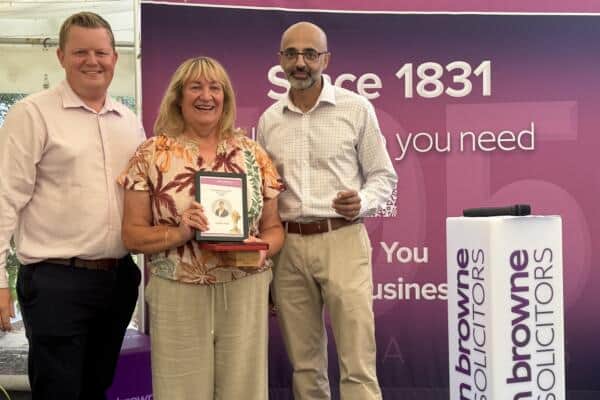
Summer Social 2026: Celebrating the People Behind Wilson Browne
At Wilson Browne Solicitors, we believe our success is built by people. That’s why we close our offices each year and bring colleagues together for our Summer Social.
-
Trying to Move Before Christmas? Start Here
Moving into a new home before Christmas is a goal for many buyers and sellers, but achieving it requires early preparation and realistic expectations.

-
Jess Leech Named Finalist at the Family Law Awards 2026
Wilson Browne Solicitors is proud to announce that Jess Leech, one of our dedicated Family Law Solicitors, has been recognised as a finalist in the Family Law Awards 2026, hosted by LexisNexis.

-
Keeping Vulnerable Loved Ones Safe
Are you worried about your family members that live alone? How can you protect them?

-
Celebrating 195 years of Wilson Browne!
Wilson Browne Solicitors is proud to mark a major milestone – 195 years of serving individuals, families, and businesses across the East Midlands.